Less than three decades after the First World War, in which more than 18 million soldiers and civilians were killed, Europe was once again embroiled in a major conflict. The Second World War, which pitted Germany, Japan, and Italy against Great Britain, the United States, and the Soviet Union, engulfed the world in a firestorm of death and destruction far exceeding that of the Great War of 1914 to 1918. This was not only a global war—it was a total war in which each nation’s comprehensive human and material resources were called into service. About 70 million civilians and fighters were killed, making World War II the deadliest conflict in human history. Millions were left homeless, and millions more began an uncertain life as refugees.
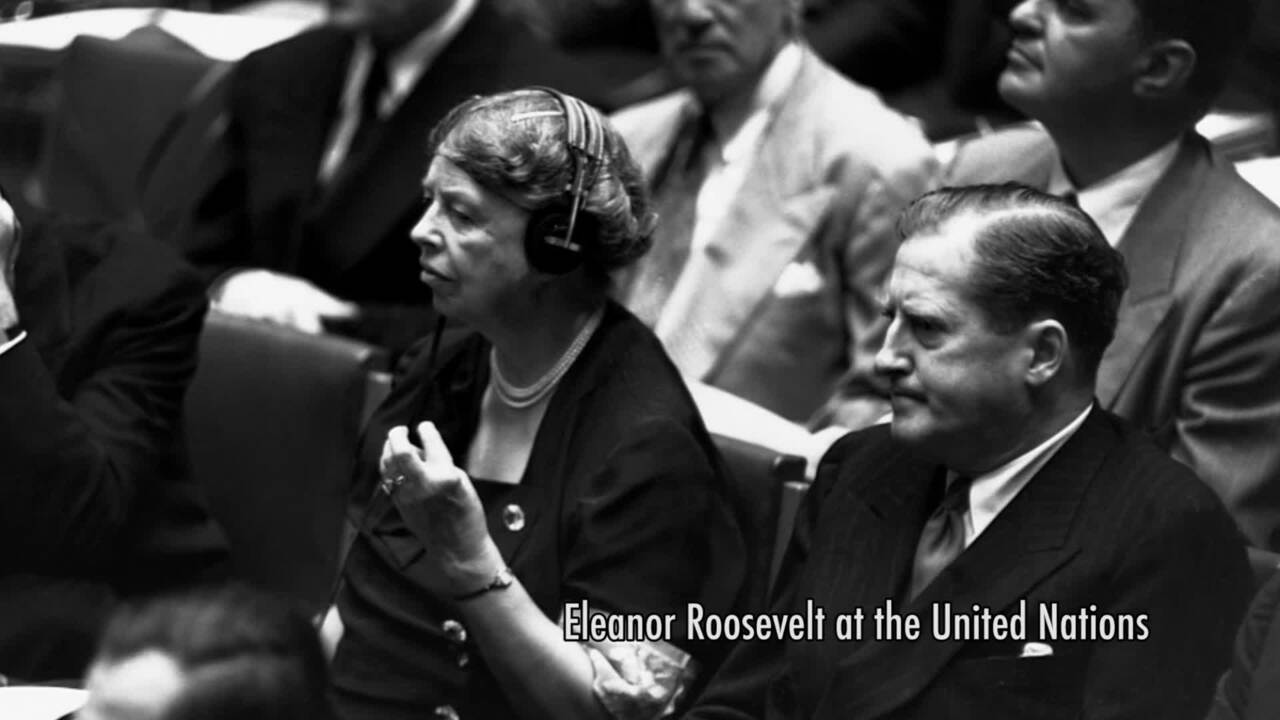
Only when Germany was defeated in May 1945 did the world fully comprehend the cost of six years of modern warfare: mountains of corpses, entire cities demolished, nations traumatized by the use of violence against civilian populations. Only then did world leaders realize the human cost of 12 years of National Socialist (Nazi) rule in Germany—the Holocaust, the genocidal murder of millions of Jews and gypsies and the persecution of homosexuals and other minorities, many of whom perished in the last year of the war. Eleanor Roosevelt, who served as First Lady of the United States for the duration of World War II and later chaired the UN Commission, observed, “You can measure the extent of physical damage done to cities . . . but how to gauge what has happened to human beings—that is incalculable.”
In addition, the US firebombing of major Japanese cities and the destruction of Hiroshima and Nagasaki with atomic bombs demonstrated that the world now possessed the tools of its own annihilation. Eleanor Roosevelt later reflected, “I think that if the atomic bomb did nothing more, it scared people to the point where they realized that either they must do something about preventing war or there is a chance that there might be a morning when we would not wake up.”
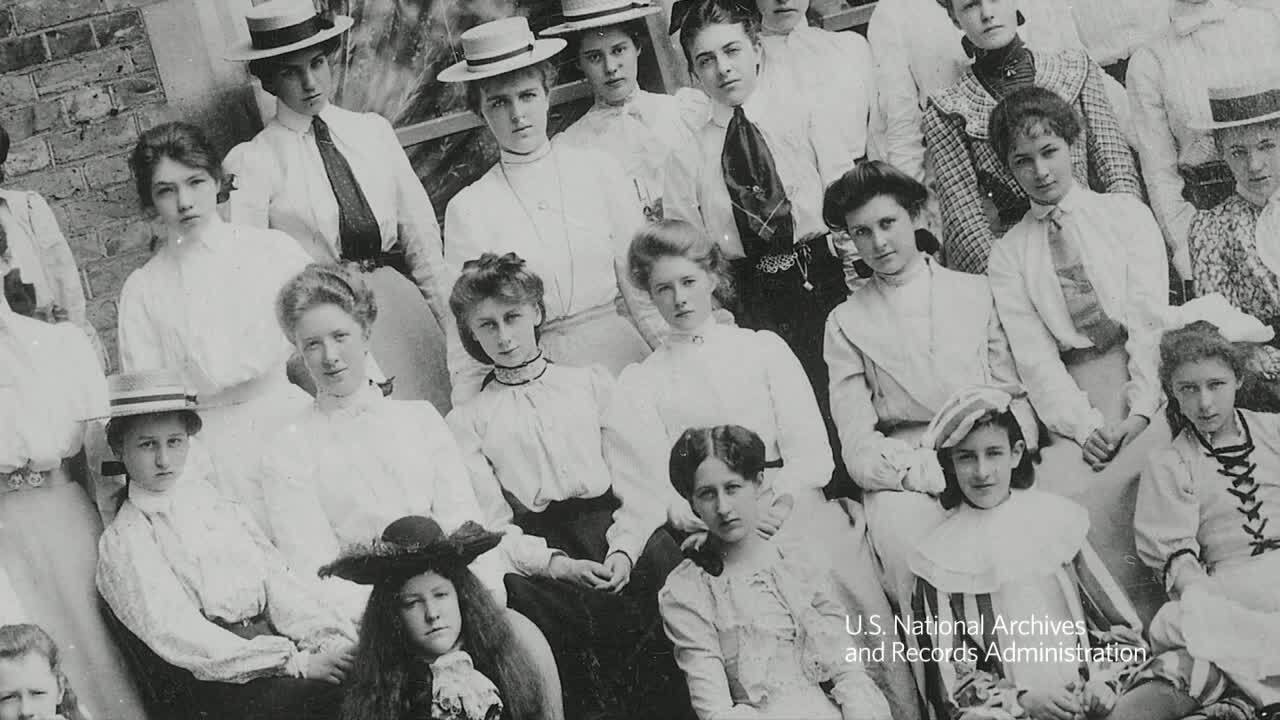
The horrors of World War II reinforced the demands of early twentieth-century internationalists to establish a global bill of human rights that would obligate “every state to recognize the equal right of every individual on its territory to life, liberty and property, religious freedom and the use of his own language.” This idea was echoed in the stated aims of the newly formed United Nations in 1945.
On joining the US delegation to the United Nations at the end of 1945, Eleanor Roosevelt described the enormous responsibility that she and her fellow delegates faced: “The time has come . . . when we must recognize that our mutual devotion to our own land must never blind us to the good of all lands and of all peoples. In the end . . . we are ‘One World’ and that which injures any one of us, injures all of us. Only by remembering this will we finally have a chance to build a lasting peace.”
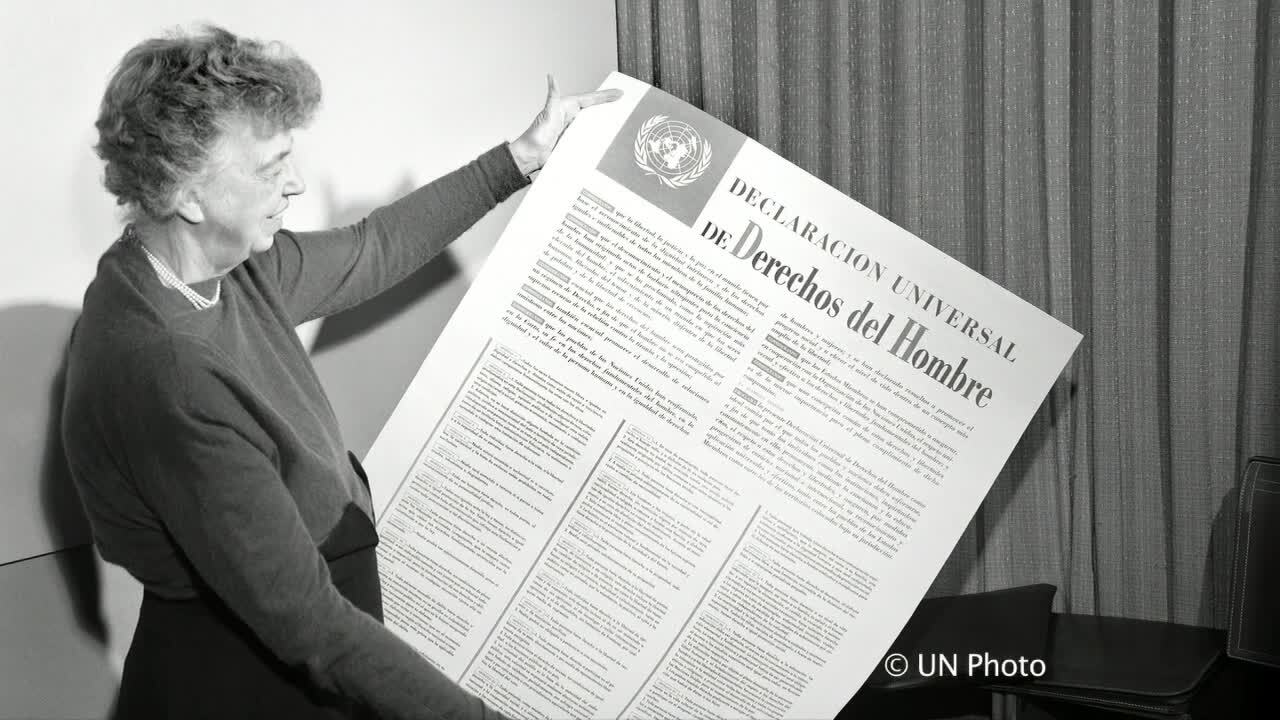
Her commitment to seeing beyond national interests drew her to an ambitious project: the drafting of a Universal Declaration of Human Rights (UDHR). To protect its people and interests, every society develops written and unwritten codes spelling out the liberties, taboos, and obligations of its members. And as different societies and cultures encounter each other, they often seek to find common ground. In the modern era, for example, treaties, agreements, and conventions have been used to protect civilians during wartime—with limited success. Enumerating the rights of every human on earth, as the drafters of the Universal Declaration had planned to do, proved a nearly impossible task. Representatives from Asia, Europe, North and South America, and the Middle East (most of Africa was still ruled by colonial powers) argued not only about cultural issues but about politics as well. The Cold War between the Soviet Union and the United States, in particular, sharpened disagreements about individual freedoms and government responsibility. After almost three years of negotiations that sometimes escalated into serious conflict, the Universal Declaration of Human Rights, which Eleanor Roosevelt described as a “composite” of international beliefs on the rights, freedoms, and dignity of human beings, became a reality. Thanks in part to Roosevelt’s inspiring leadership, the General Assembly of the United Nations adopted the declaration on December 10, 1948.
But this was only a beginning. Roosevelt insisted that the document was designed to serve as the foundation for future human rights protections. And to serve this purpose, it needed to be brought to life, through educational programs, in the consciousness of citizens the world over.
Five years after the adoption of the Universal Declaration of Human Rights, Roosevelt again reminded her audiences that human rights are more than legal or political commitments. Such rights begin, she said, “in small places, close to home—so close and so small that they cannot be seen on any map of the world. Yet they are the world of the individual person: The neighborhood he lives in; the school or college he attends; the factory, farm, or office where he works. Such are the places where every man, woman, and child seeks equal justice, equal opportunity, equal dignity without discrimination. Unless these rights have meaning there, they have little meaning anywhere. Without concerted citizen action to uphold them close to home, we shall look in vain for progress in the larger world.”
The Universal Declaration of Human Rights has inspired many individuals and policymakers to work toward a better world. Today there are “around two hundred assorted declarations, conventions, protocols, treaties, charters, and agreements dealing with the realization of human rights in the world. Of these postwar [documents] no fewer than sixty-five mention . . . the Universal Declaration of Human Rights as their source of authority and inspiration.” Today we ponder the legacy of the document Roosevelt helped create. Despite substantial movement toward equality and understanding, racism and its consequences continue to haunt communities and governments around the globe; wars targeting civilians continue to be waged; and the perpetrators of genocide, torture, and human rights violations often go unpunished.
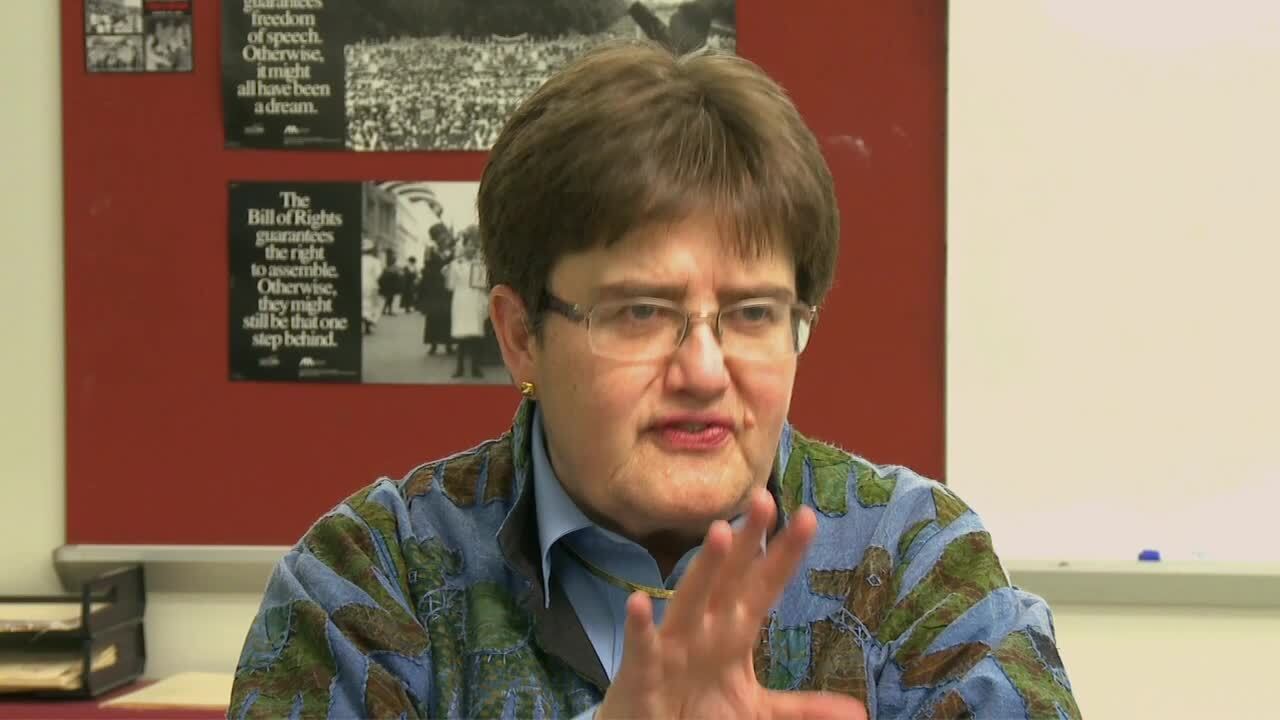
For Mary Ann Glendon, the US ambassador to the Vatican and the author of A World Made New: Eleanor Roosevelt and Universal Declaration of Human Rights, the UDHR has one undeniable legacy. "I think the message . . . is that, there was a time when men and women . . . at a time when much of the world was in ruins . . . were able to come together to articulate a path forward toward peace and justice,” she writes, “and that over the [past] sixty years, enormous progress has been made on those fronts . . . Negotiation, faltering, nevertheless has so far kept people talking . . . and it’s a great affirmation of the possibility of overcoming conflict through reason and good will. It’s what we’ve got."