

Choices in Little Rock
At a Glance
Language
English — USSubject
- History
- Social Studies
Grade
6–8Duration
Multiple weeks- Human & Civil Rights
- Racism
Overview
About This Collection
Efforts to desegregate Central High School in Little Rock resulted in a crisis that historian Taylor Branch describes as "the most severe test of the Constitution since the Civil War." Our resources on Little Rock ask students to examine these events through the question, “How much power do ordinary people have to change the world?”
The resources in this collection provide multiple instructional-pathways for teaching this history, as well as student materials available in both English and Spanish.
Inside this Collection
Choices in Little Rock

Choices in Little Rock Student Guide

Choices in Little Rock Student Guide (Spanish)
Journal

Common Core Writing Prompts and Strategies: Choices in Little Rock


Terrence Roberts on Segregation and Discrimination
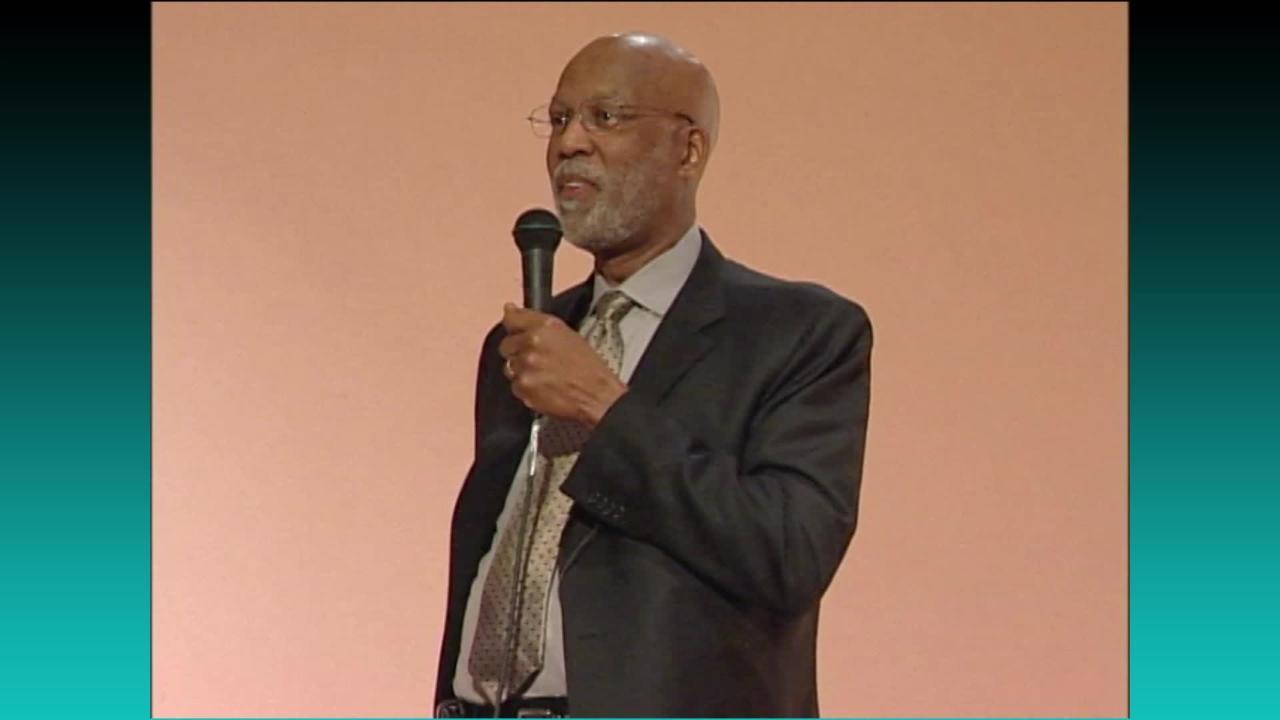
Terrence Roberts on Understanding History
The Role and Challenges of a Free Press


You might also be interested in…
10 Questions for the Past: The 1963 Chicago Public Schools Boycott

Creating a Society That Ensures Safety for All

Preparing for a Conversation about Policing and Racial Injustice

The Debate over Reparations for Racial Injustice

Enacting Freedom

Backlash and the KKK

Shifting Public Opinion

Political Violence and the Overthrow of Reconstruction

The Unfinished Revolution

The Struggle over Women’s Rights

Equality for All


Unlimited Access to Learning. More Added Every Month.
Facing History & Ourselves is designed for educators who want to help students explore identity, think critically, grow emotionally, act ethically, and participate in civic life. It’s hard work, so we’ve developed some go-to professional learning opportunities to help you along the way.
Exploring ELA Text Selection with Julia Torres
On-Demand

Working for Justice, Equity and Civic Agency in Our Schools: A Conversation with Clint Smith
On-Demand

Centering Student Voices to Build Community and Agency
On-Demand

